The Invisible Architecture of Transit
How the flow of millions in mega-cities is designed to accommodate our growing global population.
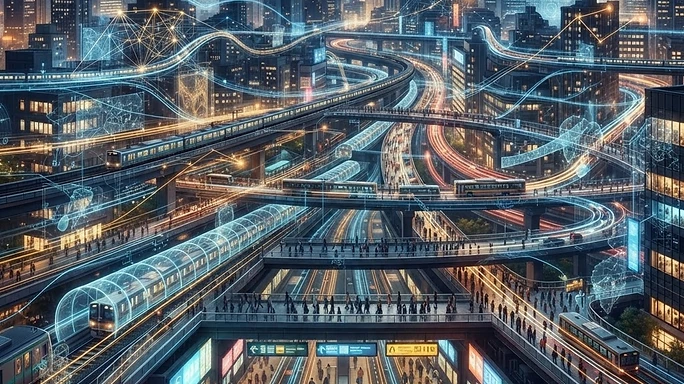
Mapping the Human Flow
Modern urban design is no longer just about brick and mortar; it is about managing the kinetic energy of billions. As our population crosses new milestones, city planners are shifting focus from static infrastructure to dynamic networks.
The Pulse of the Commuter
Data visualization reveals that cities breathe. By tracking movement patterns, designers can predict bottlenecks before they happen. This isn't just about traffic; it's about optimizing the human experience in dense environments.
Designing for Density
Vertical living and high-capacity transit systems are essential components of sustainable growth. We are seeing a shift toward '15-minute neighborhoods' where essential services are accessible by foot, drastically reducing the carbon footprint of individual households.
The Power of Smart Data
Integrated sensors provide a real-time heartbeat for our infrastructure. This allows for fluid adaptation of public lighting, waste management, and transit frequency, ensuring that the environment adjusts to the residents, rather than the other way around.
A Future Built Together
As we look forward, the intersection of architectural beauty and functional efficiency will define the next century of human habitation. The goal remains simple: create spaces that sustain life while allowing our numbers to flourish safely.