The Architecture of Density
How smart city planning is fundamentally changing the way billions of people interact in vertical spaces.
By World Population LiveNov 7, 2026 · 12:04 PM
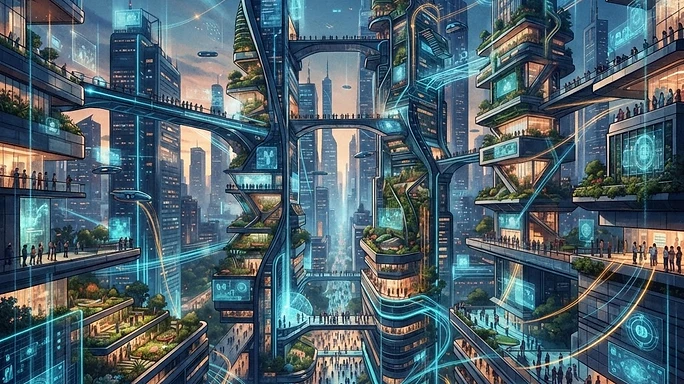
Rethinking the Skyline. Modern urban planning is no longer just about building higher; it is about building smarter for a global population that continues to flock to cities. As we cross the threshold into late 2026, the density of our metropolitan hubs has forced architects to reconsider the very nature of community living. ## Vertical Connectivity. The concept of the '15-minute city' is being translated into vertical infrastructure. By integrating grocery stores, parks, and healthcare into massive residential towers, developers are minimizing the carbon footprint of millions. Efficiency is the new aesthetic. ## The Social Variable. Design influences behavior. When pathways are narrow and public spaces are scarce, the social friction of a city increases. Conversely, intentional design—incorporating green roofs and sky-bridges—promotes physical and mental wellbeing in dense populations. ## Lessons from Tokyo to Toronto. We are seeing a synthesis of global design philosophies. The data collected by World Population Live indicates that as populations cluster, the design of our transit systems must evolve from radial models to interconnected networks. ## Future Outlook. As we track the movement of citizens in real-time, it is clear that the future belongs to cities that can hold millions without feeling crowded. The architecture of the next decade will be defined by its ability to prioritize human connection over mere square footage.