Mapping the Megacity Frontier
Urban planners are now looking to the 'megacity' as the primary unit of human governance and ecological survival.
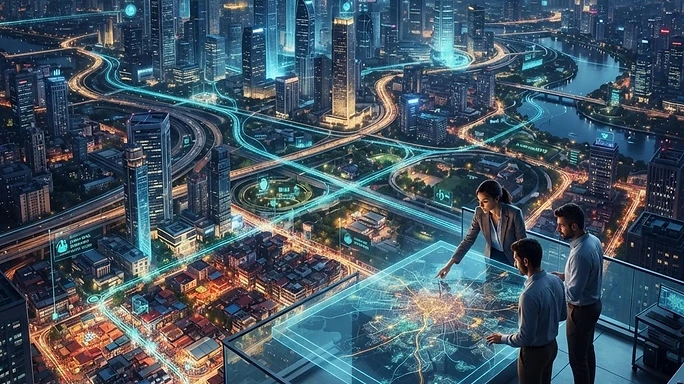
The Rise of the Megacity
When we look at the population centers of 2026, we see a massive concentration of resources in megacities—urban zones with more than 10 million inhabitants. These aren't just big cities; they are the new engines of human development. They act as magnets for migration, innovation, and economic exchange.
Planning for Chaos
Designing for a megacity is fundamentally different from traditional urban planning. It requires a systems-based approach where transit, water, energy, and digital connectivity are all linked. One failure in a core system can cause a ripple effect across millions of lives, making resiliency the top priority for planners.
Ecological Impacts
Contrary to common belief, high-density megacities can actually be more environmentally efficient than rural or suburban lifestyles. By concentrating human footprints, we save land for biodiversity and create economies of scale for green energy deployment. The design challenge is to keep these cities breathable.
The Human Experience
Despite the logistical complexity, humans remain social creatures who crave interaction. Public spaces—parks, plazas, and community centers—remain the most important parts of a megacity's design. If we lose the human element, we lose the city. We must ensure that our structures encourage, rather than hinder, organic social connection.
A Global Perspective
As we continue to monitor the growth of these population centers through our live trackers, it is clear that the future of humanity is urban. By designing these spaces with the human experience at the center, we can ensure that our growth continues to be a story of progress and connection.