The Invisible Grid Shaping Our Future Cities
How modern urban design is subtly guiding the behavior of billions as we hit new density records.
Designing for Density
As the world population crosses new thresholds in 2026, the way we build our physical environments has never been more critical. Urban planning is no longer just about aesthetics; it is a profound exercise in behavioral science.
The Flow of Humans
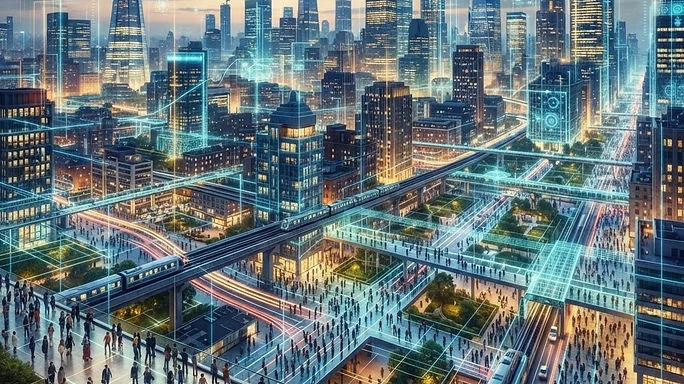
Architects are increasingly using data visualization to map how humans move through dense urban cores. By studying real-time population data, designers are creating 'frictionless' pathways that prevent congestion.
- Pedestrian-first design
- Multi-layered transit hubs
- Vertical green spaces
These design choices dictate everything from our daily commute times to the air quality we breathe. As we look at the maps provided by our dashboard, it is clear that the architecture of our buildings is mirroring the density of our social networks.
Ultimately, cities are becoming living, breathing interfaces. By understanding these spatial patterns, we can ensure that as the human count climbs, our quality of life does not plummet.