The Day the Census Stopped the World
Reflecting on the 1921 global census effort that first attempted to quantify the total human footprint in the wake of upheaval.
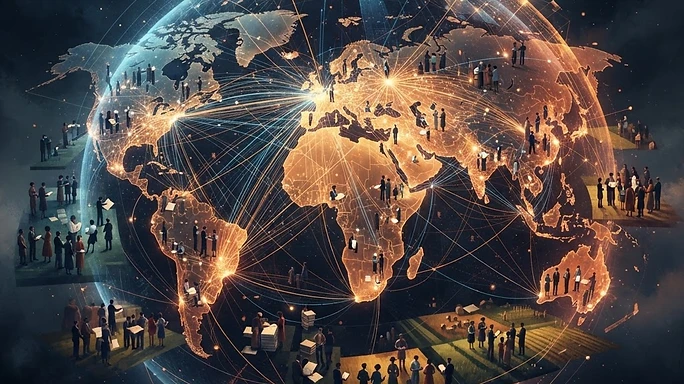
A World in Transition
Following the geopolitical shifts of the early 20th century, the global community faced a monumental task: counting the humans living on a fractured planet. This era marked a turning point in how we view the 'citizen' as a measurable unit of statehood and international cooperation.
The Logic of Counting
Counting people has always been about power, but in the early 20th century, it became about survival. Governments needed to know who was left, where they had migrated, and how to distribute the resources of a post-war landscape. It was the first true attempt at creating a data-driven map of humanity.
Challenges of the Field
Historians note that the 1921 counts were fraught with difficulty. From language barriers to remote populations that had never been documented by a central authority, the effort was as much an exercise in patience as it was in bureaucracy. It established the standards for modern demographic data collection.
Connecting the Dots
Today, we look back at these records to understand the migration patterns that shaped our modern ancestry. Every individual counted in that census represents a line in a genealogical tree that extends to the billions living today. It was the moment humanity began to see itself as a singular, quantifiable population.
Lessons from the Past
As we continue our real-time tracking today, we owe a debt to those early statisticians. Their work reminds us that counting isn't just about numbers; it's about acknowledging the presence and rights of every human being on the map.