The Art and Science of Counting Humanity
Behind every live population counter lies a complex web of algorithms and imperfect human systems trying to make sense of the crowd.
The Quest for Certainty
Counting the world's population is perhaps the most ambitious accounting project in history. From the early censuses conducted by hand to today's real-time algorithmic estimations, the goal remains the same: to understand who we are and where we stand as a species.
The Mechanics of Measurement
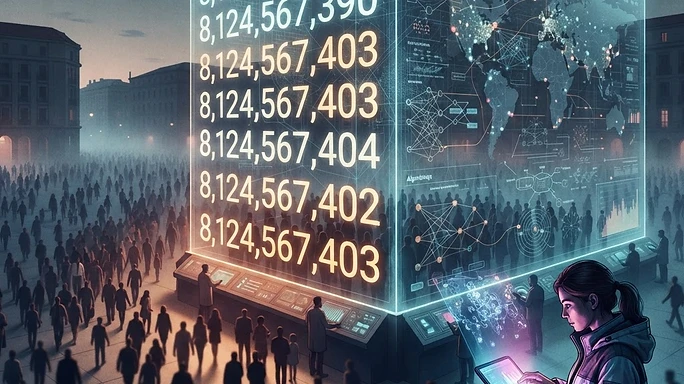
How do we count eight billion people? The process involves a blend of vital statistics, registry data, and complex predictive modeling. When the dashboard increments, it is not recording a literal birth at that exact second, but rather reflecting the statistical average of births exceeding deaths at that moment.
Challenges in the Field
- Data gaps in developing regions
- Privacy concerns in data collection
- The challenge of tracking nomadic or displaced populations
The Precision of Prediction
Modern data science allows us to adjust these counts based on censuses conducted periodically by various national governments. By combining these static snapshots with dynamic flow data, we can create a reasonably accurate picture of the global human tally. It is an imperfect science, but one that is becoming more sophisticated every day.
Beyond the Digits
Every number is a life. While we take pride in the accuracy of our trackers, we must remember that the beauty of humanity lies in its complexity. These counters are not merely toys; they are tools for understanding the scale of our influence on the planet and the urgency of our collective responsibility.