The Architecture of Ten Billion
As our global population edges toward historic peaks, how we design our cities will determine the quality of human connection.
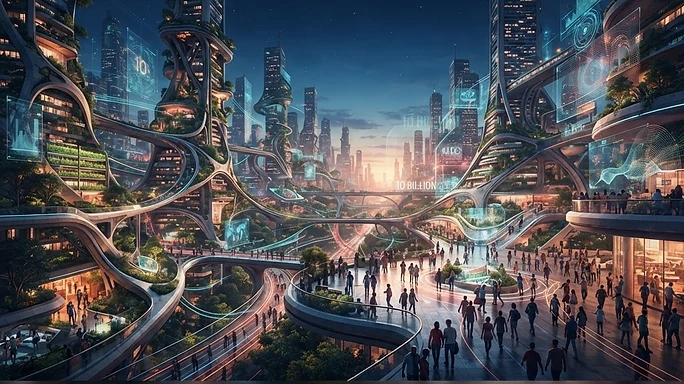
Shaping the Megalopolis
Urban planning is no longer just about aesthetics; it is a fundamental survival strategy for a species that is increasingly choosing to live in dense, vertical environments. As of late 2026, over half of humanity resides in urban centers, forcing architects to rethink the footprint of our existence.
The Rise of Vertical Living
Moving upward is the only logical solution to land scarcity. However, the design challenge lies in creating high-density housing that preserves human dignity. Vertical forests and communal sky-gardens are emerging as essential components of modern high-rises, providing necessary green space for urban dwellers.
Connectivity and Commuting
How we move between these towers is as important as the towers themselves. Efficient public transit design is the lifeblood of a functioning megacity. By prioritizing pedestrian corridors over vehicular throughput, we can reclaim streets for social interaction, effectively lowering the 'social friction' of dense living.
Designing for Longevity
As we see in our global population data, the median age is rising. Our buildings must accommodate this shift, with universal design principles becoming the standard rather than an afterthought. Wide hallways, step-free access, and integrated health services are vital.
The Human Scale
Ultimately, good design must prioritize the human scale. No matter how large a city grows, the need for intimacy, privacy, and community remains constant. We must design cities that grow with us, not against us.