The Architecture of Proximity
As our global population nears record highs, how we design our cities determines whether we thrive or merely survive.
Designing for Density
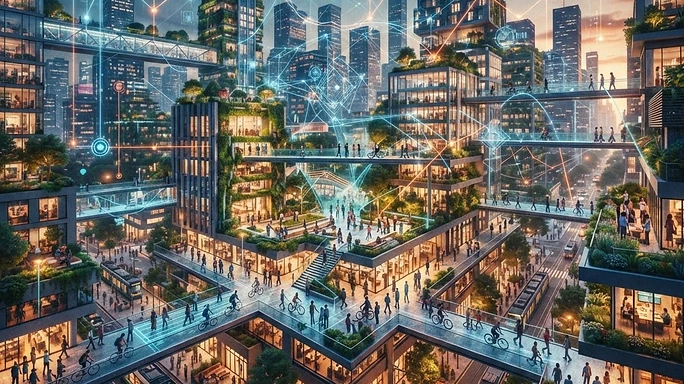
Urban planners in 2026 are facing a unique paradox: how do we house billions while keeping cities human-centric? The answer lies in the 15-minute city model, which prioritizes walking and biking over the sprawling transit grids of the past.
The Vertical Shift
Skyscrapers are no longer just glass towers; they are becoming vertical ecosystems. By integrating green spaces and vertical farming, modern architecture is attempting to minimize the footprint of the individual within an ever-expanding urban population.
- Integration: Homes, offices, and parks are merging.
- Sustainability: Energy efficiency is now a design standard.
Data-Driven Comfort
When we map movement, we learn that humans crave social hubs. Designers are using our live data to create 'soft edges'—public spaces that encourage spontaneous connection among strangers, turning a metropolis into a neighborhood.
A Shared Future
Ultimately, the goal of urban design is to ensure that as the world gets crowded, our lives feel expansive rather than confined. We are not just building structures; we are building the canvas for human experience.